
Athlete-Owned Media: Authentic Voice or Just Spin?
- Andrew Clarke
- Dec 4, 2025
- 5 min read

We're living through the golden age of athlete narcissism, and everyone's calling it "authentic storytelling." From LeBron James's SpringHill Company to Pat McAfee's $85 million ESPN deal, athletes have discovered they can cut out the middleman: journalists: and speak directly to fans. The result? A media landscape where every elite athlete thinks they're Walter Cronkite, and we're supposed to applaud their "unfiltered truth."
Here's the uncomfortable reality: athlete-owned media isn't democratising sports storytelling. It's creating an echo chamber where athletes control every narrative thread, sanitise every uncomfortable moment, and package their personal brands as journalism. Sound familiar? It's the same playbook Donald Trump perfected: create your own media empire, broadcast your version of events, and call anyone who questions it "fake news."
The Great Spin Machine
When athletes launch their own podcasts, documentaries, or media companies, they're not journalists suddenly discovering objectivity. They're brand managers wearing press badges. Take The Players' Tribune, Derek Jeter's supposedly revolutionary platform for "authentic athlete stories." What you get isn't raw truth: it's carefully curated content designed to protect reputations and enhance marketability.
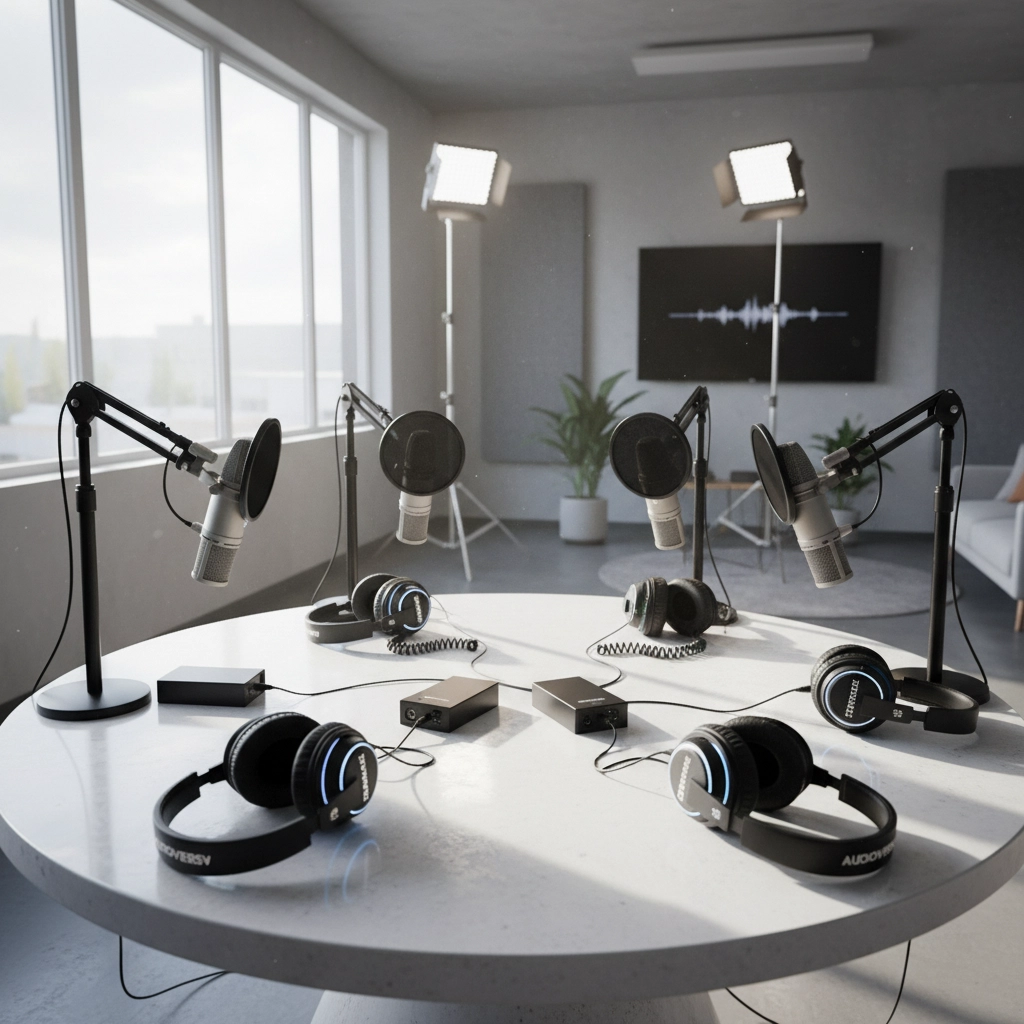
The fundamental problem with athlete-owned media is the same issue plaguing political discourse: when the subject controls the narrative entirely, accountability disappears. Real journalism involves asking uncomfortable questions, investigating claims, and presenting context that subjects might prefer to avoid. Athlete-owned media eliminates this friction entirely.
Consider how athletes handle controversies through their own platforms. They'll release a carefully crafted statement, host a sympathetic interview with a friendly podcaster, or produce a documentary that frames every misstep as a learning experience. Traditional sports journalism: for all its flaws: at least attempted to provide multiple perspectives and critical analysis.
The Trump Playbook in Sports
The parallels between athlete media empires and Trump's media strategy are striking. Both involve powerful figures who grew frustrated with traditional media coverage and decided to create their own information ecosystems. Both claim their direct-to-audience approach provides more "authentic" truth. Both cultivate devoted followings who trust their version of events over independent reporting.
Trump's Truth Social platform and LeBron's SpringHill Company operate on similar principles: control the message, eliminate hostile questioners, and position any criticism as biased or irrelevant. When athletes face serious allegations or poor performances, they increasingly bypass traditional media entirely, speaking only through platforms they own or control.
This creates a dangerous precedent. If sports stars can simply opt out of independent scrutiny whenever it becomes inconvenient, we lose the critical distance necessary for honest sports coverage. We end up with hagiography masquerading as journalism.
The Authenticity Myth
Proponents of athlete-owned media claim it provides more "authentic" voices, but authenticity and control are often mutually exclusive. When athletes know they won't face challenging follow-up questions or fact-checking, they're free to construct whatever narrative serves their interests. That's not authenticity: it's sophisticated public relations.

The most successful athlete media ventures aren't succeeding because they're more truthful than traditional sports journalism. They're succeeding because they're more entertaining and less challenging. Fans get feel-good stories, behind-the-scenes access, and carefully choreographed "vulnerable" moments that make them feel closer to their heroes without actually revealing anything that might damage those heroes' marketability.
Real authenticity involves admitting mistakes, accepting criticism, and engaging with uncomfortable truths. Athlete-owned media platforms rarely deliver on these fronts because doing so would undermine their primary purpose: brand building.
The Australian Context
Australian sports media has always struggled with access and independence, particularly around AFL and NRL stars who've learned to manage their public personas carefully. The rise of athlete-owned content threatens to make this situation worse, not better. When players control their own narratives entirely, we lose the investigative journalism that exposed salary cap breaches, performance-enhancing drug use, and cultural problems within sporting organisations.
Imagine if the AFL's gambling scandal, the Essendon supplements saga, the Cronulla peptides investigation or even the A-League’s yellow-card betting rort had broken through player-owned podcasts instead of independent journalism. Would we have received the same level of scrutiny and investigation, with documents leaked, timelines challenged and officials grilled on the record? Or would players have presented sanitised versions of events that protected their colleagues, sponsors and the broader commercial ecosystem that now includes betting partners, personal branding deals and their own “authentic” media channels?
Australian sports journalism faces enough challenges without athletes withdrawing entirely into controlled media environments. When sporting codes already struggle with transparency around injuries, mental health support, and workplace culture, giving athletes complete narrative control makes genuine accountability nearly impossible.
The Business Reality
Let's be honest about what's really happening here: athlete-owned media is a business strategy disguised as authentic communication. These aren't accidental ventures driven by athletes' sudden passion for journalism. They're carefully constructed profit centres designed to monetise personal brands while avoiding traditional media's uncomfortable questions.

The numbers don't lie. LeBron's SpringHill Company is valued at $725 million. The Kelce brothers' podcast commands $100 million from Amazon. These aren't modest attempts to share personal stories: they're massive commercial enterprises that happen to wear the costume of authentic storytelling.
When athletes become media moguls, they face the same conflicts of interest that compromise any business-driven journalism. They can't be too critical of sponsors, teammates, or leagues that might impact their commercial relationships. They can't investigate stories that might damage their own brands or those of their business partners.
Where Traditional Media Still Matters
Despite its imperfections, traditional sports journalism serves a vital function that athlete-owned media cannot replicate: independent scrutiny. When journalists investigate match-fixing, expose workplace harassment, or question coaching decisions, they're performing a democratic service that self-interested parties cannot provide.
The best sports journalism combines access with independence, entertainment with accountability. Athlete-owned media might excel at access and entertainment, but it's structurally incapable of providing genuine independence or accountability.
We need journalists who can ask difficult questions about concussion protocols without worrying about losing podcast sponsorship deals. We need reporters who can investigate team cultures without concern for maintaining friendly relationships with players. We need editors who can publish uncomfortable truths even when they upset powerful sporting figures.
The Way Forward
None of this means athlete-owned media should disappear entirely. These platforms can provide valuable perspectives and behind-the-scenes access that enhance sports coverage. The problem emerges when they're positioned as replacements for independent journalism rather than supplements to it.
The most dangerous outcome would be a sports media landscape where athletes only speak through their own platforms, traditional journalism withers from lack of access, and fans lose the critical analysis necessary to understand what's really happening in their favourite sports.
It has been hard enough these past two decades with the rise of 'free' experts with a keyboard and a social media platform that allows voice to anyone.
We don't need less athlete media: we need better traditional sports journalism that can coexist with, question, and contextualise athlete-controlled narratives. The goal isn't to silence athletes' voices but to ensure those voices don't drown out the independent scrutiny that makes sports coverage meaningful.
What we don't need, is for athletes and teams to hide behind their own media and reduce accessibility to the media – and this has happened.

The choice isn't between athlete spin and media bias. It's between a diverse media ecosystem that includes multiple perspectives and a controlled environment where powerful figures shape every narrative to serve their interests. When we lose that diversity, we lose something essential about sports journalism's role in holding our sporting heroes accountable to the communities that support them.
Comments