
Are Brands Finally Waking Up to Engagement? How Modern Marketers Are Changing Their Playbook (Part 2)

Updated: Jan 21
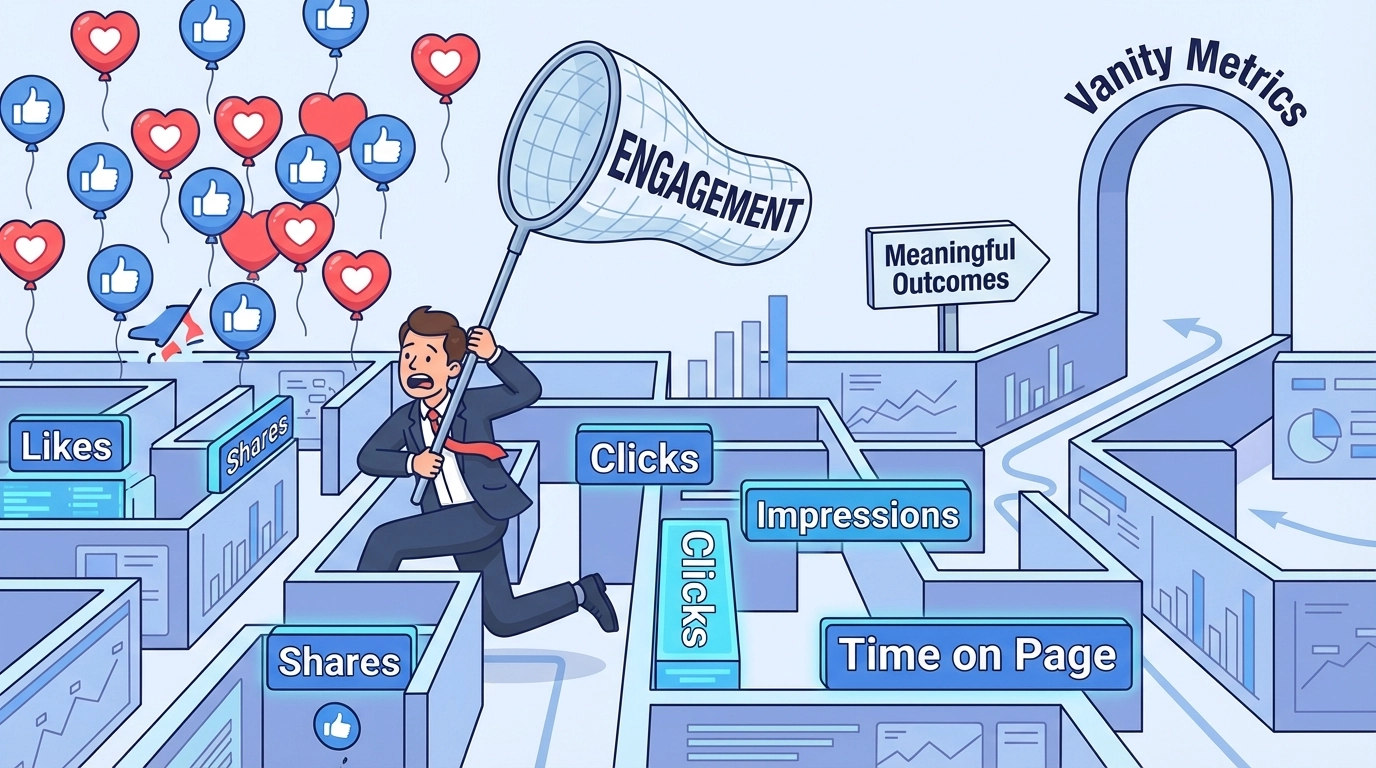
Big net, tiny results: chase likes all you want, the exit’s still labelled ‘Meaningful Outcomes’.
This is part two of our five-part series exploring the critical difference between clicks and engagement in modern marketing.
The answer is a resounding yes, and the transformation happening right now is nothing short of revolutionary. As we explored in our previous post about the click versus engagement myth, brands across Australia and globally are finally abandoning the hollow pursuit of vanity metrics. What we're witnessing in 2025 is a fundamental rewiring of how marketers think, measure success, and build lasting relationships with their audiences.
The evidence is striking. Brands implementing comprehensive personalisation strategies are seeing average revenue per user increase by 166%, while 78% of consumers believe irrelevant content is the primary reason brands fail to engage them. This disconnect has forced a complete rethink of the marketing playbook, pushing companies away from spray-and-pray tactics toward strategies that actually resonate.
From Product Pushers to Community Creators
The most profound shift we're seeing is brands repositioning themselves as community creators rather than mere product providers. This isn't just marketing speak, it represents a fundamental change in how successful companies operate.
Take Patagonia's approach to environmental activism. Rather than simply selling outdoor gear, they've built an ecosystem where customers participate in conservation efforts, share their adventures, and help shape product development. Their "Worn Wear" program encourages customers to repair and reuse products, creating deeper engagement than any click-through campaign ever could.
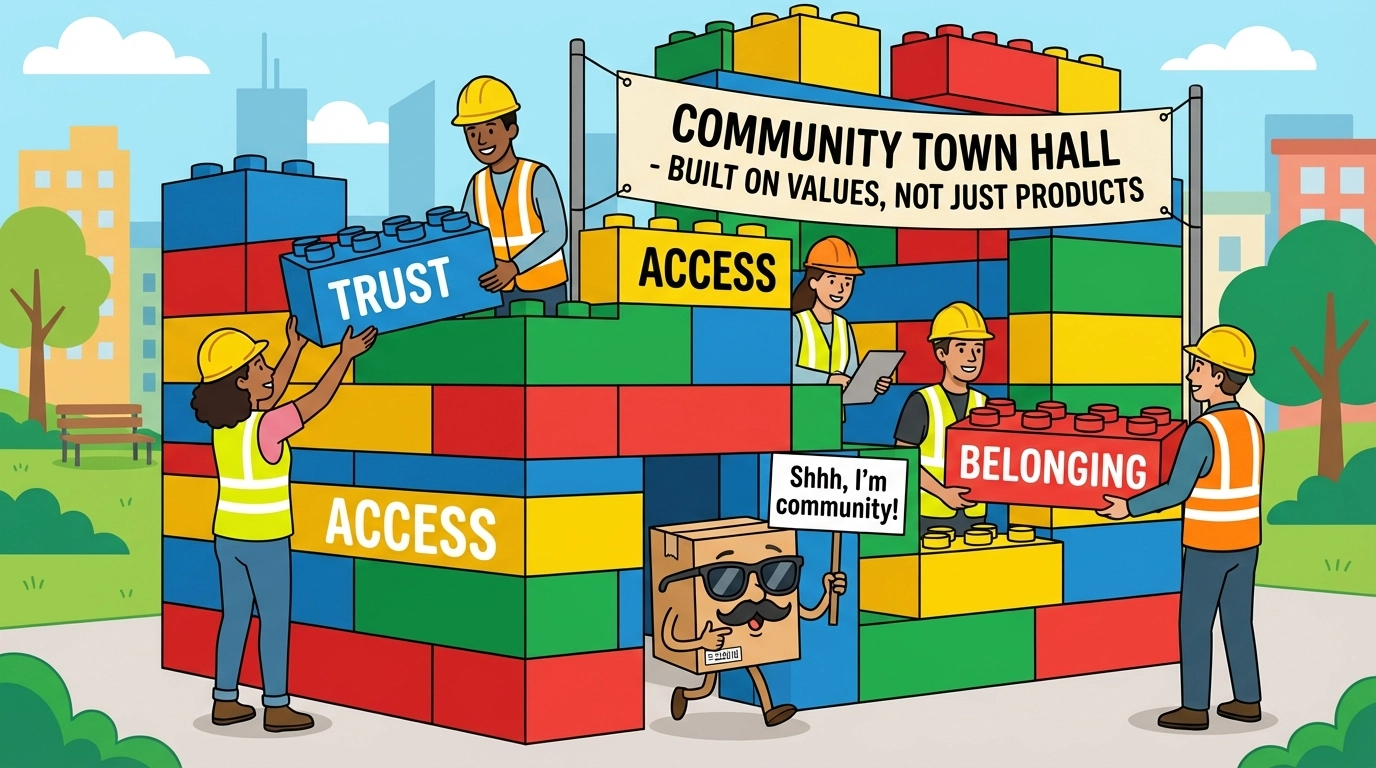
Welcome to Brandtown—please stack your ‘Trust’ blocks higher than your buzzwords.
Similarly, Tesla has mastered the art of community building through shared values and exclusive experiences. Their Supercharger network isn't just infrastructure, it's a community hub where Tesla owners connect, share experiences, and reinforce their brand loyalty. The company's approach to product launches, using existing customers as advocates rather than traditional advertising, demonstrates how engagement-first thinking drives real business results.
Local Australian brands are catching on too. Companies like Atlassian have built thriving developer communities that extend far beyond their software products, while sports brands are creating membership experiences that go well beyond match-day ticket sales.
The Personalisation Revolution
Modern marketers have moved far beyond the outdated "Hi, {first name}" approach to personalisation. Today's leading brands use artificial intelligence and machine learning to analyse customer behaviour, purchase history, browsing patterns, and real-time data to craft experiences that genuinely matter.
BrandAlley's implementation of AI-driven personalisation resulted in a 10% increase in average basket value and won back 24% of customers who were likely to defect. But the real magic happens when brands combine this technology with human insight to create moments that feel authentically personal.
Luxury fashion retailers are deploying virtual stylists that understand individual preferences, body types, and lifestyle needs. Streaming platforms use predictive algorithms not just to recommend content, but to optimise the timing and format of their communications. Even B2B companies are using behavioural data to personalise everything from email cadence to sales approaches.
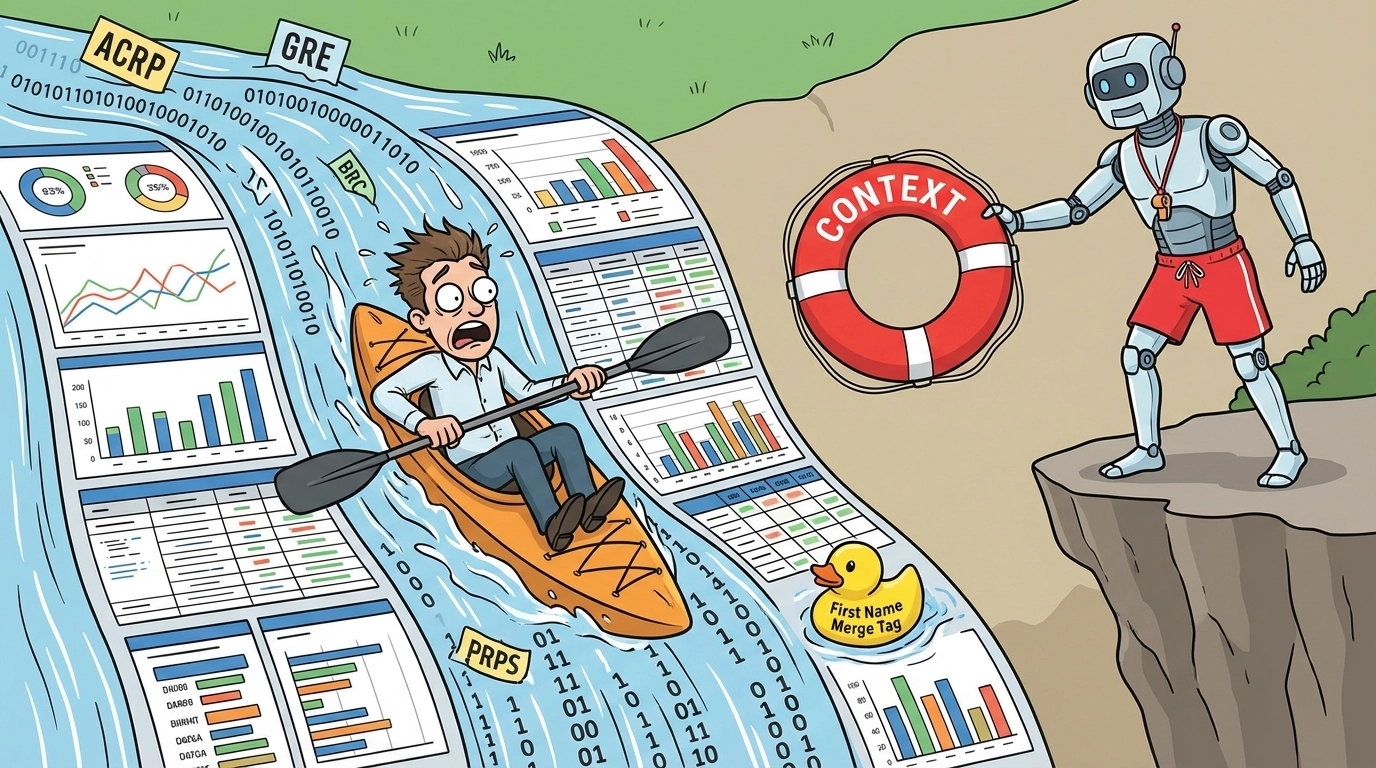
When every dashboard screams urgent, even the ‘First Name’ merge tag needs a life jacket.
The key difference in 2025 is that personalisation has become proactive rather than reactive. Instead of waiting for customers to browse products, leading brands anticipate needs based on life events, seasonal changes, and behavioural patterns. This shift from responsive to predictive engagement is creating competitive advantages that compound over time.
Omnichannel Excellence and Real-Time Conversations
The fragmented customer journey of 2025 demands seamless, consistent experiences across every touchpoint. Customers don't follow linear paths: they research on social media, compare prices on mobile, and purchase in-store (or vice versa). The brands winning this complexity are those that treat each interaction as part of a continuous conversation.
Real-time engagement has become table stakes. Whether through AI chatbots, WhatsApp Business, email, or live chat, delays kill momentum. But the smartest brands go beyond quick response times: they use these touchpoints to gather insights, build relationships, and guide customers through increasingly complex decision-making processes.
The rise of "phygital" experiences exemplifies this trend. Flagship stores are becoming experience hubs with augmented reality mirrors, interactive displays, and digital integration that extends the online experience into physical spaces. Meanwhile, loyalty programs and immersive digital environments create connections that transcend individual transactions.
Storytelling That Actually Connects
Perhaps the most significant change in the modern marketing playbook is the elevation of storytelling from nice-to-have to mission-critical. But this isn't about crafting clever copy: it's about creating narratives that connect with customers' values, aspirations, and emotions.
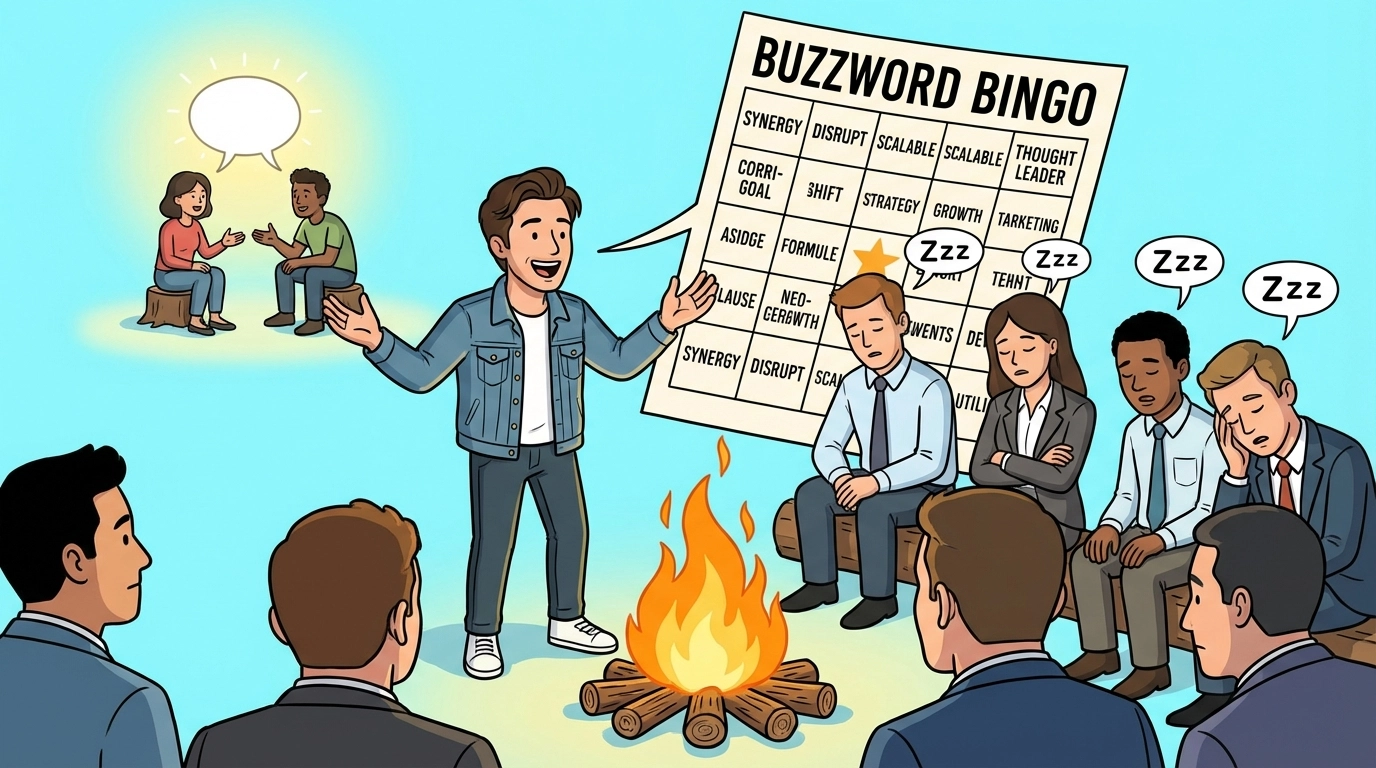
Tonight’s tale: Once Upon a KPI, featuring Buzzword Bingo and a very sleepy audience.
Successful brands in 2025 understand that consumers connect with stories, not specifications. They're investing heavily in content that showcases purpose-driven campaigns, founder journeys, customer success stories, and behind-the-scenes glimpses that humanise their operations.
This storytelling approach has proven particularly powerful on short-form video platforms like TikTok, YouTube Shorts, and Instagram Reels, where emotional narratives capture attention faster than traditional advertising. But the key is consistency: these stories need to be authentic, sustainable, and aligned with actual business practices.
Companies like Who Gives A Crap have mastered this approach, turning their sustainability mission into compelling content that drives both engagement and sales. Their transparency about impact, combined with playful storytelling, creates an emotional connection that transcends price comparisons.
Strategic Tactics Driving Results
The shift toward engagement-first thinking has produced several concrete changes in how marketing teams operate:
Behavioural Segmentation: Rather than demographic groupings, successful brands are segmenting audiences based on actual behaviour, purchase patterns, and engagement history. This allows for much more targeted and relevant messaging.
Strategic Seasonal Timing: Instead of rushing into seasonal campaigns, smart marketers are analysing shopping pattern shifts and reaching customers earlier in their decision-making process to capture new business and encourage repeat purchases.
Tiered Loyalty Systems: Basic discount programs are being replaced with sophisticated loyalty ecosystems that offer points, exclusive access, personalised rewards, and community features that encourage ongoing engagement.
Educational Content Marketing: Brands are positioning themselves as trusted resources by creating valuable content: tutorials, industry insights, how-to guides: that addresses customer pain points and builds credibility over time.
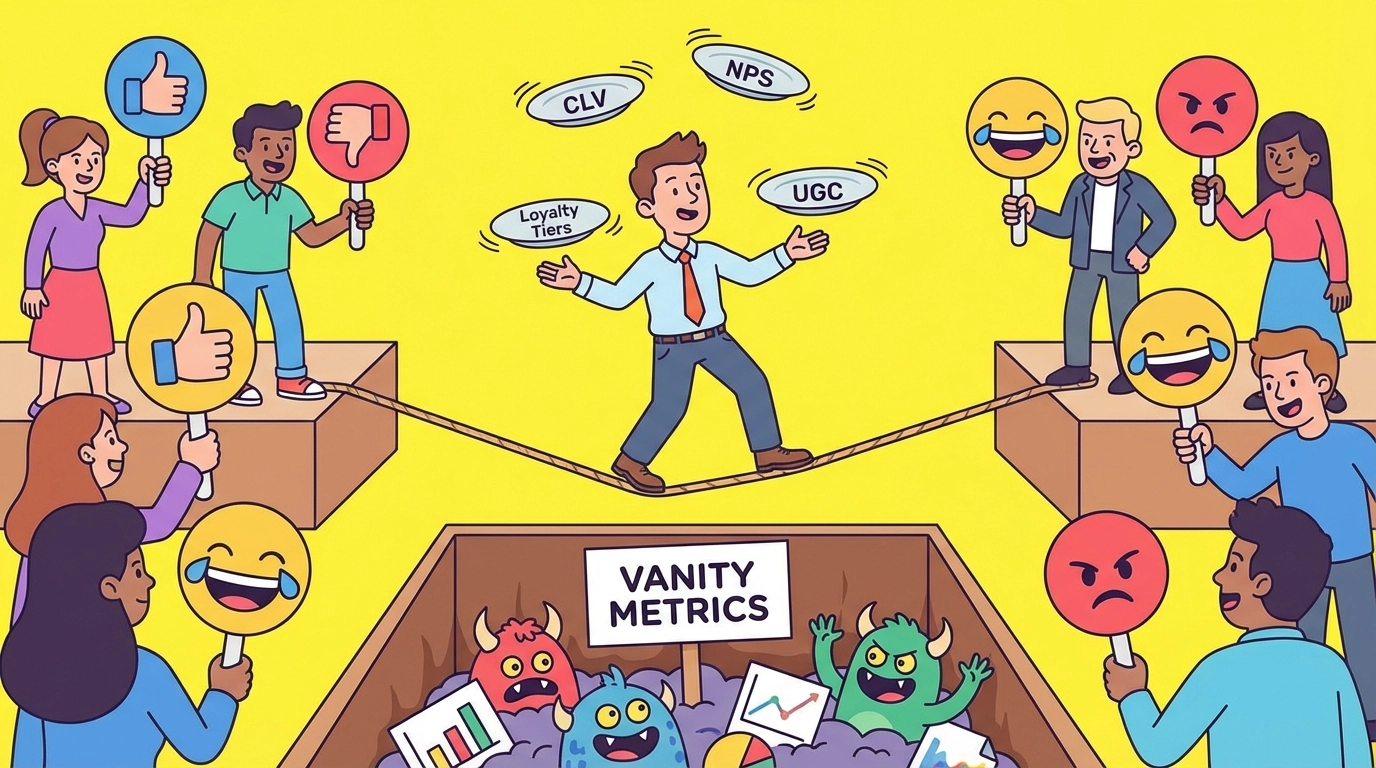
Plate-spinning level: marketer. Mind the drop into the Vanity Metrics pit.
Interactive Engagement Tools: Polls, quizzes, live streaming, and user-generated content campaigns are making engagement enjoyable while gathering valuable customer insights.
The Measurement Evolution
What's particularly exciting about this engagement revolution is how it's changing what marketers measure and value. While clicks and impressions remain useful data points, leading brands are focusing on metrics that correlate with actual business outcomes:
Time spent engaging with content
Repeat visit frequency and depth of interaction
Social sharing and organic amplification rates
Customer lifetime value and retention rates
Net Promoter Scores and advocacy behaviours
Community participation and user-generated content
These metrics tell a much richer story about brand health and future performance than traditional vanity metrics ever could.
Looking Forward
The fundamental change we're witnessing is that brand power in 2025 is defined less by size and more by adaptability, purpose, and trust. The companies gaining market share aren't necessarily the largest: they're the ones using sustainable innovation, AI-powered personalisation, and human-driven storytelling to transform customers into advocates and communities into movements.
This represents brands finally understanding that genuine engagement requires meeting customers where they are, respecting their values, and delivering experiences that feel personal, authentic, and worthwhile. The payoff extends far beyond improved marketing metrics: it's creating sustainable competitive advantages that compound over time.
As we'll explore in our next post, this evolution hasn't been without challenges. The rise of fake news and clickbait has created new obstacles that require sophisticated responses. But for now, it's clear that the brands embracing engagement-first thinking aren't just changing their marketing playbook: they're redefining what it means to build lasting customer relationships in the digital age.
The Clicks v Engagement Debate
The Clicks v Engagement Debate is a five-part thought leadership series exploring how modern brands are moving beyond clicks and impressions toward smarter, more meaningful engagement metrics. It examines the limitations of traditional digital reporting and highlights how leading marketers are reshaping their measurement frameworks for real commercial impact.
The Click v Engagement Myth: Why brands need to stop chasing empty numbers
Are brands finally waking up to engagement? How modern marketers are changing their playbook
Fake news, fake traffic, and what advertisers get wrong about online success
Smarter metrics for brands: Measuring what really matters in the digital age
Are advertisers stuck in old habits? Breaking away from the clicks-first mindset

Comments